News from Mum Love
how we’re impacting the news agenda for mums
FROM A MOTHER TO ANOTHER
|
FROM A MOTHER TO ANOTHER |

Mum Love Meets the Founders of Mothr
Motherhood and identity sit at the heart of this meeting between Mum Love and Mothr founders Lauren and Michelle, sharing their values, resources for mothers and plans for a joint awareness campaign.

Meeting Amy Taylor-Kabbaz: A Powerful Voice for Mothers
Matrescence support can reshape how mothers are understood and cared for. Discover how Amy Taylor-Kabbaz turns research, training, and global collaboration into practical change for mothers and the professionals who support them.

How a Second Pregnancy Changes Your Brain
New research suggests that a second pregnancy reshapes the brain differently from the first, strengthening areas linked to attention and responsiveness. These findings offer valuable insight into how mothers adapt in motherhood.

The Vital Role of Emotional Support in Maternity Care: Why Mum Love Matters
The final report of the National Maternity and Neonatal Investigation has highlighted how often mothers feel unheard and unsupported during pregnancy and beyond. We look at what the findings mean, and how Mum Love is working to make emotional support a core part of every mother's maternity journey.

Psychologies Magazine: Supporting New Mums' Mental Wellbeing
Mum Love founder Georgie Woollams recently featured in Psychologies magazine, sharing honest insights into the emotional rollercoaster of new motherhood. Read on for her practical tips on spotting the signs of overwhelm and building a support network that actually helps.

Transforming Maternal Support: Vanessa's Journey with Mothering Minds
Vanessa Rio built Mothering Minds because she lived the gap herself - that unsettling feeling of navigating early motherhood without the right support at the right time. What started as a personal experience has grown into a platform bringing specialist perinatal support, emotional wellbeing and real understanding together in one place.
Meet Kate: Your AI Companion for the Journey of Motherhood
Kate is Mum Love's AI chatbot, and she is already showing up for mothers in ways that really matter - including during the quiet hours when other support simply isn't available. She gives mothers a space to talk openly about how they feel, without judgement, whenever they need it most.

Bridging the Emotional Gap in Maternity Support: A Conversation with the Department of Health
Mum Love recently sat down with the Policy Manager for Maternity and Neonatal at the Department of Health and Social Care to talk about something that doesn't get nearly enough airtime - the emotional side of becoming a mother. The conversation pointed to a real gap in support, and some genuinely exciting possibilities for change.

Angela McConville and NCT: Championing Women Through Every Stage of Motherhood
Angela McConville, CEO of NCT, is quietly steering one of the UK's most trusted parenting charities into a new era, one that goes well beyond birth preparation. In a really open conversation, she shares how NCT is evolving to meet the emotional and identity shifts of modern motherhood, not just the practical ones.

A Conversation with Sophie Maunder: Redefining Support for Working Parents
When Sophie Maunder, founder of Matri, and Mum Love founder sat down together, it became clear their work fits together in a really meaningful way. One tackles the structural side of supporting women through maternity leave and return to work, the other shifts the cultural conversation around motherhood - and together, they cover ground neither could alone.
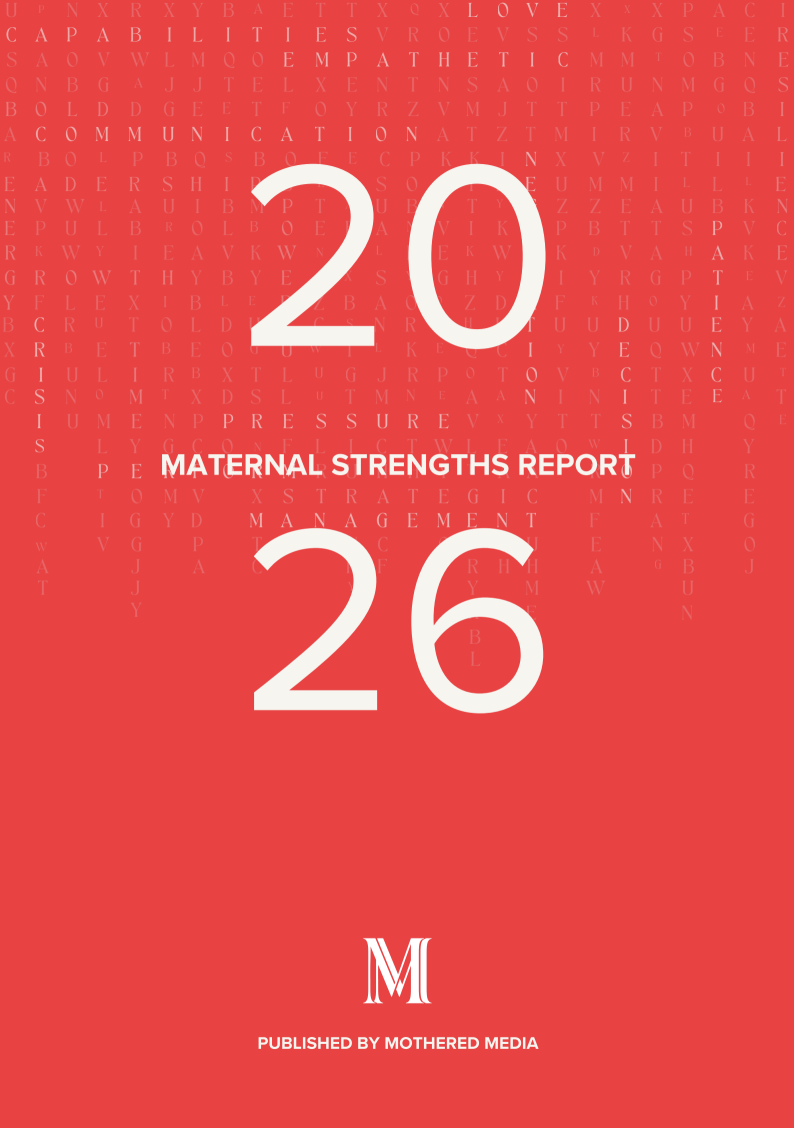
Alex Starks: Spotlighting the Power of Motherhood
Alex Starks, founder of Mothered Media, is on a mission to change how the world sees working mothers, and her research is making it hard to ignore. Her 2026 Maternal Strengths Report reveals the remarkable professional skills that motherhood builds, from a 123% boost in time management to a significant rise in empathy, resilience and leadership confidence.

Bridging the Gap: Katie O'Malley's Heartfelt Journey with A Long Way to Go
Katie O'Malley launched A Long Way to Go after her own pregnancy and postpartum experience left her drowning in contradictory advice and searching for something she could actually trust. What started as late-night research became a platform built on honest, expert-led conversations for every woman navigating the messy, meaningful reality of motherhood.

Mum Love at No.10: A Moment That Reconfirmed Our Mission to Support Mothers Across the UK
This week, the Mum Love team visited No.10 Downing Street for a parents' reception, a moment that brought our mission sharply into focus. Here's what the day meant to us, and what's coming next.
Meet Lorainne Tudor Car: A Leader in Digital Health and Women’s Wellbeing
Professor Lorainne Tudor Car brings together medical expertise, years of digital health research and her own experience of motherhood to make the case for something simple but powerful - that women deserve honest, open conversations about what becoming a mother really feels like. Her work at King's College London is helping to turn that belief into evidence-backed action.
Naani: Built for the 3am Moment
Pooja Patel built Naani from a feeling most mothers know well - that 3am moment when you are holding everything together and quietly wishing someone would hold you too. Drawing on over eleven years in NHS cancer care and her own experience of motherhood, she has created something genuinely warm and human.

Maternal transformation and losing your identity in motherhood
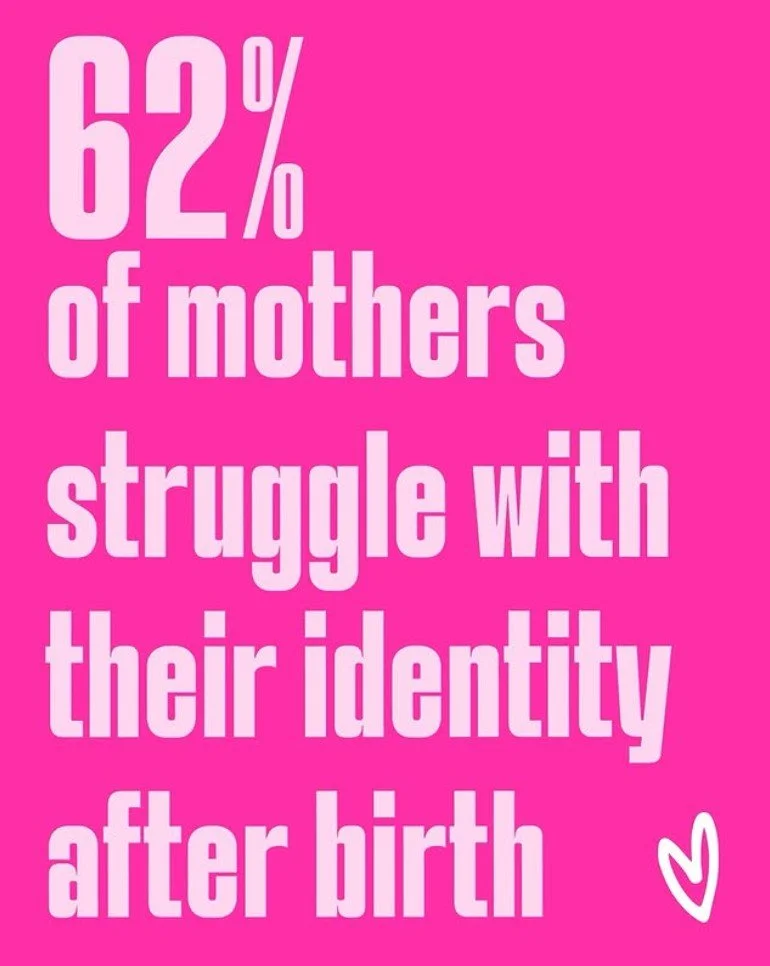
Becoming a mother reshapes who you are at every level, personally, socially and culturally, and that shift can feel overwhelming when no one names it out loud. Understanding these layers of identity is the first step to finding your way back to yourself.

Mum Love Conversation with Morgane Besins, Four Mamas
Motherhood changes everything, and yet so many women are left to navigate that change without enough support. Morgane Besins of Four Mamas and Georgie, founder of Mum Love, are working to change that. Together, they are building informed, realistic pathways for mothers at every stage, from conception through to returning to work, because feeling supported should never be a luxury.
helping new mothers through sharing stories of motherhood
When 3 in 4 mothers face identity confusion after birth, the words we use to describe that experience really matter. By shifting from clinical language to something more human, we open the door to conversations that actually help.
Real Stories, Real Support: How Mums' Voices Change Maternal Mental Health
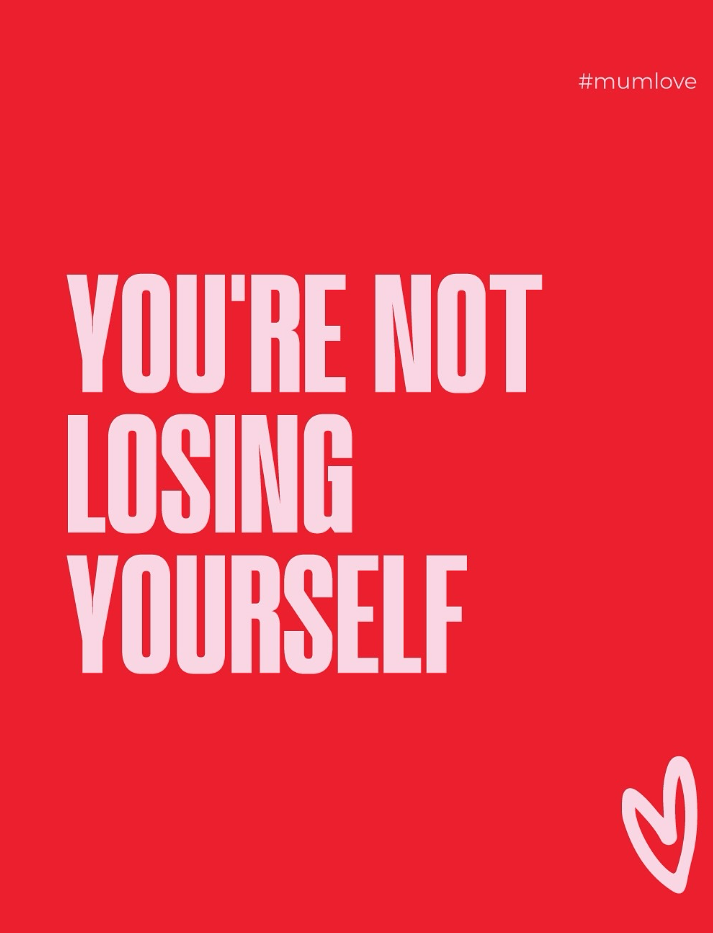
Real mum stories have a quiet but powerful impact on maternal mental health. Discover how honest, lived experiences are building connection, reducing stigma and reminding every mum that she is not alone.
Therapeutic techniques to help mums rediscover themselves after birth
Becoming a mum changes everything, including your sense of self. Here are some practical, therapist-informed techniques to help you find your way back to yourself.